
 Skip to content
Insurance Coverage for Uber Eats, DoorDash, and Grubhub Accidents
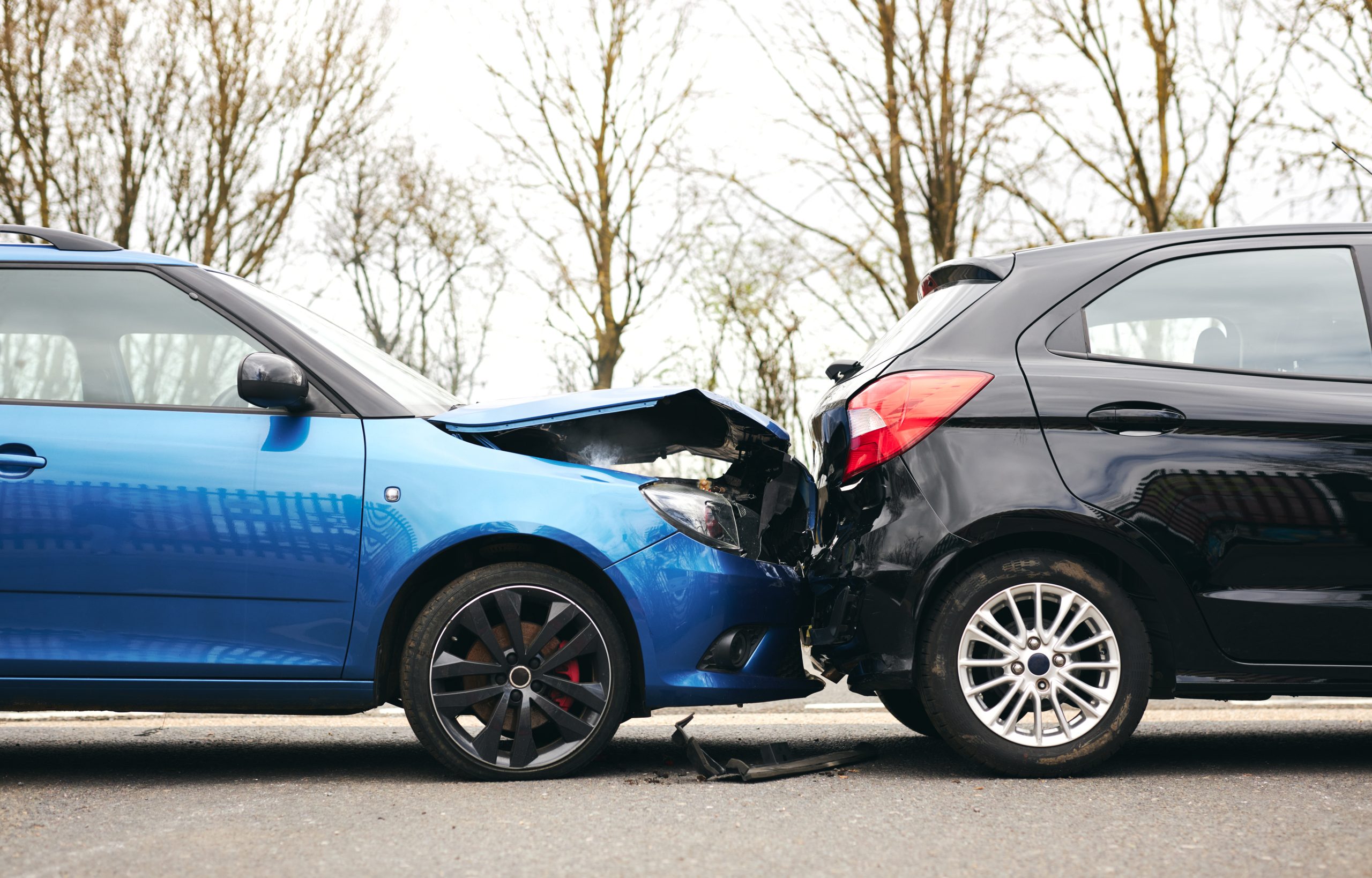
Whether you are involved in a crash as a delivery driver or you are hit by someone doing delivery services, it is important to know your rights and find out if you have a valid claim. Call Rocky McElhaney Law Firm: Car Accident & Injury Lawyers to schedule a consultation now.
Why is delivery driver accident insurance so complicated?
Food delivery accident claims are complicated because the food delivery industry has changed dramatically in the last decade or so. In the past, delivery drivers were traditional employees at a restaurant, so their delivery activity was covered by their company’s commercial insurance. Now, drivers for companies like Uber Eats, DoorDash, and Grubhub are independent contractors—not employees. As a result, delivery companies may not accept responsibility for collisions caused by their drivers.
Instead, your claim may go through several potential insurance sources, including the driver’s personal insurance, a rideshare or delivery endorsement, commercial auto coverage, or the company’s liability coverage. You may even have to tap into your own uninsured/underinsured motorist coverage.
The driver’s status at the time of the crash and why it matters
A delivery driver’s app status at the time of the collision can make a major difference in which insurance policy applies. For example, if the driver is not logged into the Uber Eats app when the crash happens, Uber Eats generally does not provide coverage. Instead, the claim would typically go through the driver’s personal auto insurance policy.
If the driver is online and available for a delivery request, Uber Eats provides some coverage—$50,000 per person and $100,000 per accident in injury coverage, as well as $25,000 in property damage per accident.
If the driver is on the way to pick up an order or deliver food to a customer, Uber Eats provides at least $1,000,000 in coverage for property damage and injuries to third parties involved in an accident where the driver is at fault.
For accident victims, this highlights the importance of knowing what the driver was doing—the difference between a driver waiting for a delivery request and actively completing a delivery can significantly affect the amount of insurance coverage available.
DoorDash has a similar insurance setup, but in Tennessee, coverage generally depends on whether the driver was actively engaged in a delivery. If the driver was online but had not yet accepted a delivery request, the driver’s own auto insurance is typically primary.
What do Uber Eats, DoorDash, and Grubhub insurance policies cover?
This varies from company to company. Uber Eats has fairly broad third-party coverage, detailed above based on the status of the driver. DoorDash also provides third-party liability coverage during active deliveries, but coverage generally depends on whether the driver has accepted a delivery request. Grubhub’s insurance coverage differs from Uber Eats and DoorDash. Grubhub requires drivers using cars to have auto insurance and offers occupational accident coverage for drivers, but third-party liability claims may depend on the driver’s own policy and any other applicable coverage.
What happens when a driver’s insurance company denies the claim
This is where the situation can get complicated. Usually, filing a claim after an accident is simple. You contact the other party’s insurance company and your own to report the crash. When a liable party is determined, appropriate compensation is negotiated and paid out.
But if a driver is driving for a delivery company, their personal insurance company is unlikely to be enough on its own. The majority of personal auto insurance policies do not cover commercial activity, so the company will outright refuse to provide any coverage for the accident.
Because of this, drivers may need appropriate rideshare or delivery insurance to avoid coverage gaps. This is often as simple as adding a rider to their current policy, although some drivers may opt for a full commercial policy. If the driver who hit you has this type of coverage, you can seek compensation from their insurance.
Unfortunately, not all drivers carry this insurance. While companies try to catch drivers who do not have the appropriate insurance, there are drivers who slip through due to the number of independent contractors each company has. If the driver’s personal insurance policy does not have the necessary rider and they refuse your claim, you have a few options.
First, you can sue the driver directly. However, if they do not have enough assets or income to cover your damages, a lawsuit may not get you far. Getting a judgment against someone does not necessarily mean that you are able to collect on that judgment.
Next, you can look into other potentially liable parties, such as the manufacturer of the vehicle, the delivery company, a government entity responsible for maintaining the roads, or another driver who contributed to the crash.
Finally, you can seek coverage through your own uninsured/underinsured motorist coverage, if available.
Deciding which route to go can be stressful, especially if you are watching medical bills pile up and no one seems to want to accept liability. Talking to a delivery driver accident attorney can help you figure out who is really to blame and what realistic paths to compensation you have.
Injured in an accident with a delivery driver? Find out how we can help
If you have suffered injuries in a crash with an Uber Eats, DoorDash, or Grubhub driver in Tennessee, Rocky McElhaney Law Firm: Car Accident & Injury Lawyers is here to help you. Give us a call or fill out our online contact form to have an attorney reach out to you to discuss your case.