
 Skip to content
Should You Move Your Vehicle After a Crash?
Unsure of your rights and legal options after a Tennessee car accident? The team at Rocky McElhaney Law Firm: Car Accident & Injury Lawyers is here to help. Call us to schedule a consultation with one of our experienced car accident attorneys.
Move your vehicle if it is safe to do so
The short answer: move your vehicle if it is safe to do so. Tennessee law requires drivers involved in an injury-causing or property damage crash to stop at the scene (or as close to it as possible), stay there, and avoid obstructing traffic more than necessary. Safety comes first, and remaining in the roadway puts you at very real risk of being hit by an inattentive driver. If you were involved in a minor crash, it is generally safer to move it than to leave it sitting in a travel lane. You do not want a minor fender bender to become a catastrophic pile-up.
If your car is drivable, everyone is still inside the vehicle, and you can safely move it, pull onto the shoulder, a side street, or a nearby parking lot. You should stay as close to the scene of the crash as you reasonably can. If you can do so safely, motion to the other driver so they know what you are doing and that you are not fleeing the scene. Turn your hazards on and call the police to report the collision immediately.
When you should not move your vehicle
While it is generally recommended that you move your vehicle if you can do so, there are situations where moving your car can cause more harm. If someone seems to be seriously injured or has been thrown into an unsafe position by the force of the crash, call 911 and prioritize keeping them still over moving the vehicle.
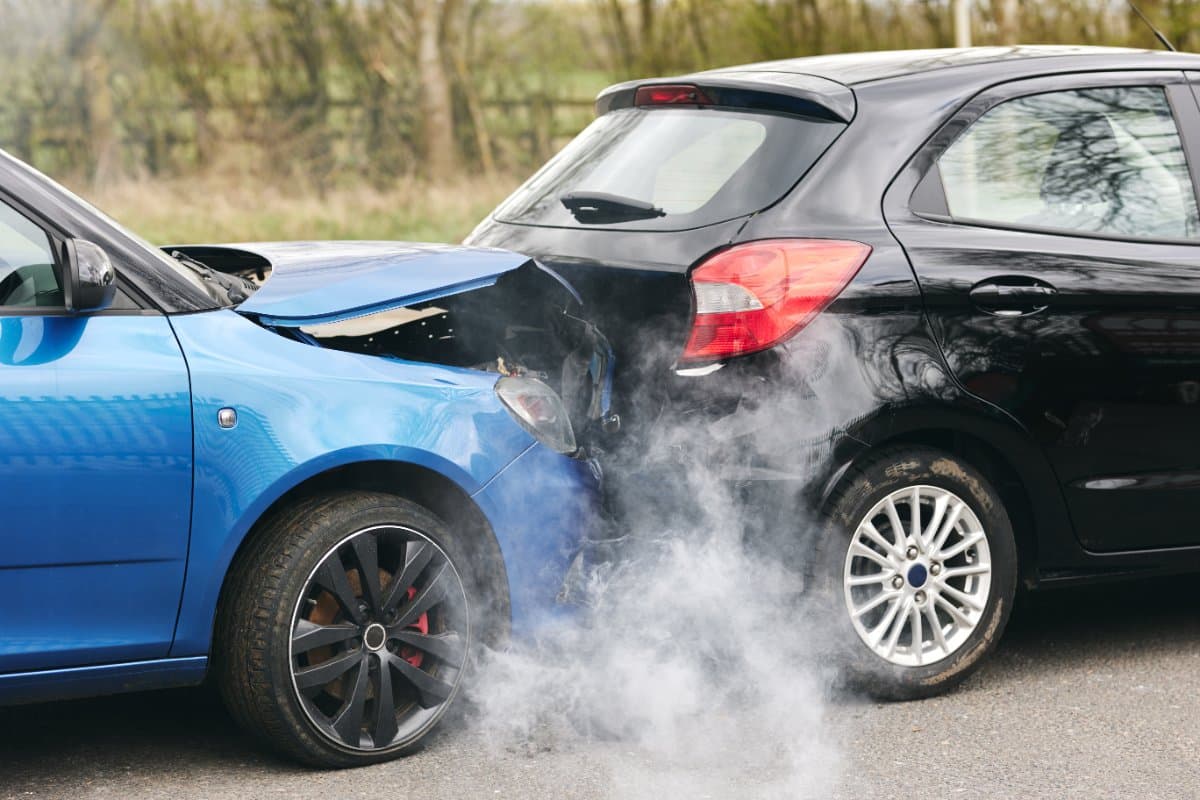
You also should not move the car if you are unsure whether it is safe to drive. If the vehicle is smoking or leaking fluid, moving it could cause a fire or chemical reaction. In this situation, it is better to evacuate the car and call the police from a safe distance. Call 911 before moving the car if you hit a pedestrian, motorcyclist, bicyclist, or other vulnerable road user, as your priority should be evaluating the other party for injury.
You may also get guidance from emergency services when you call. They may tell you whether to move the vehicle after getting a better idea of where you are, if people are hurt, and how busy the road is.
Does moving your car hurt your accident claim?
Moving your vehicle after a collision does not automatically hurt your accident claim. Insurance companies do care about vehicles’ ultimate resting position after a crash, but that is just one piece of evidence—and leaving your vehicle to get further damaged by secondary accidents could also hurt your accident claim. Insurance companies may assign fault by looking at photos, videos, witness statements, vehicle damage, debris patterns, dashcam footage, accident reconstruction, and other forms of evidence.
You may still want to document the crash scene before you move your vehicle, but only consider this if it is safe to do so. If you have cars moving around you on both sides and traffic is starting to build up, even taking a couple of photos may be dangerous. If you can safely do so, take photos that capture each vehicle’s position, lane markings, traffic lights, signage, vehicle damage, and identifying landmarks in the background.
What to do after moving your vehicle
Once you have moved to a safer location, stay where you are. You can exchange information with the other driver, including your name, contact information, driver’s license information, and insurance information.
If anyone is injured, provide reasonable aid and verify that emergency services are on the way. Avoid arguing about fault or getting into discussions about what happened. Emotions can run high after an accident, and you do not want the other driver to lash out at you or put you in danger.
You should also take this time to take more photos of the vehicles, debris, skid marks, and any other physical evidence from the collision.
When the police respond to the scene, tell them your side of what happened. Stick solely to the facts and try not to guess what happened or what the other driver was doing.
Finally, get checked out by a doctor at an urgent care center or emergency room. Even if you feel fine, some injuries are not immediately visible.
Is moving my vehicle fleeing the scene?
This is one of the big concerns people have when they reach out to a car accident lawyer—they do not want moving their vehicle to be construed as them fleeing the scene, which is illegal in Tennessee. Moving your car a short distance for safety is not the same thing as leaving the scene without reporting the crash or exchanging information. If you are worried about the other driver thinking that you are trying to do a hit and run, motion to them where you are going.
What if the other driver says not to move?
If you start to move, the other driver may yell at you to wait for the police or not to move. This can be frightening when you are already overwhelmed by a crash. While they may have their own ideas about what is safest after a collision, they do not get to make safety decisions for you. You can tell them that you are not leaving and that you are just moving the car to a safer location. If the other driver starts to escalate the situation, you can stay in your car and lock the doors until the police arrive.
Protect your rights after a car accident—call Rocky McElhaney Law Firm: Car Accident & Injury Lawyers
Navigating the fallout of a car accident can be stressful, but you do not have to do it alone. Our team is here to help you fight for fair and full compensation. Schedule a time to talk now by contacting us online or calling us today.